D4CB engine problems: why iLoad diesels fail, and how to stop it happening again
Warning signs
- Loss of boost: the van feels flat, especially loaded or uphill.
- Smoke, blue or black.
- Oil in the intake pipes or intercooler.
- A knock from the bottom of the engine.
- The oil pressure light. Stop straight away if it comes on.
Common causes on the D4CB
The D4CB is the 2.5 litre turbo diesel in the iLoad and iMax. These are working vans: lots of kilometres, heavy loads, short trips, long idles. The failures reported most often in the sources we checked come back to the oil.
- Sludge. Where oil changes are stretched, the oil can turn to sludge. That starves the turbo and the engine bearings.
- The turbo oil feed. The pipe that feeds oil to the turbo is narrow. Sludge can block it, and a turbo without oil fails fast.
- Soot in the intake. Soot and oil mist from the emissions systems build up as black deposits in the intake.
The turbo maker Garrett puts more than 90% of turbo failures down to oil starvation or contamination, which fits the iLoad pattern.
Repair, rebuild or replace?
If the turbo failed but the bearings were not starved, a new turbo, a new oil feed line and a full clean-out of the oil system may be the repair. If the engine has been knocking, or ran low on oil pressure, the bearings and crankshaft are likely damaged, and it is a rebuild or a new engine. A look at the oil and filter, and an oil analysis, help your mechanic decide.
What a D4CB replacement costs
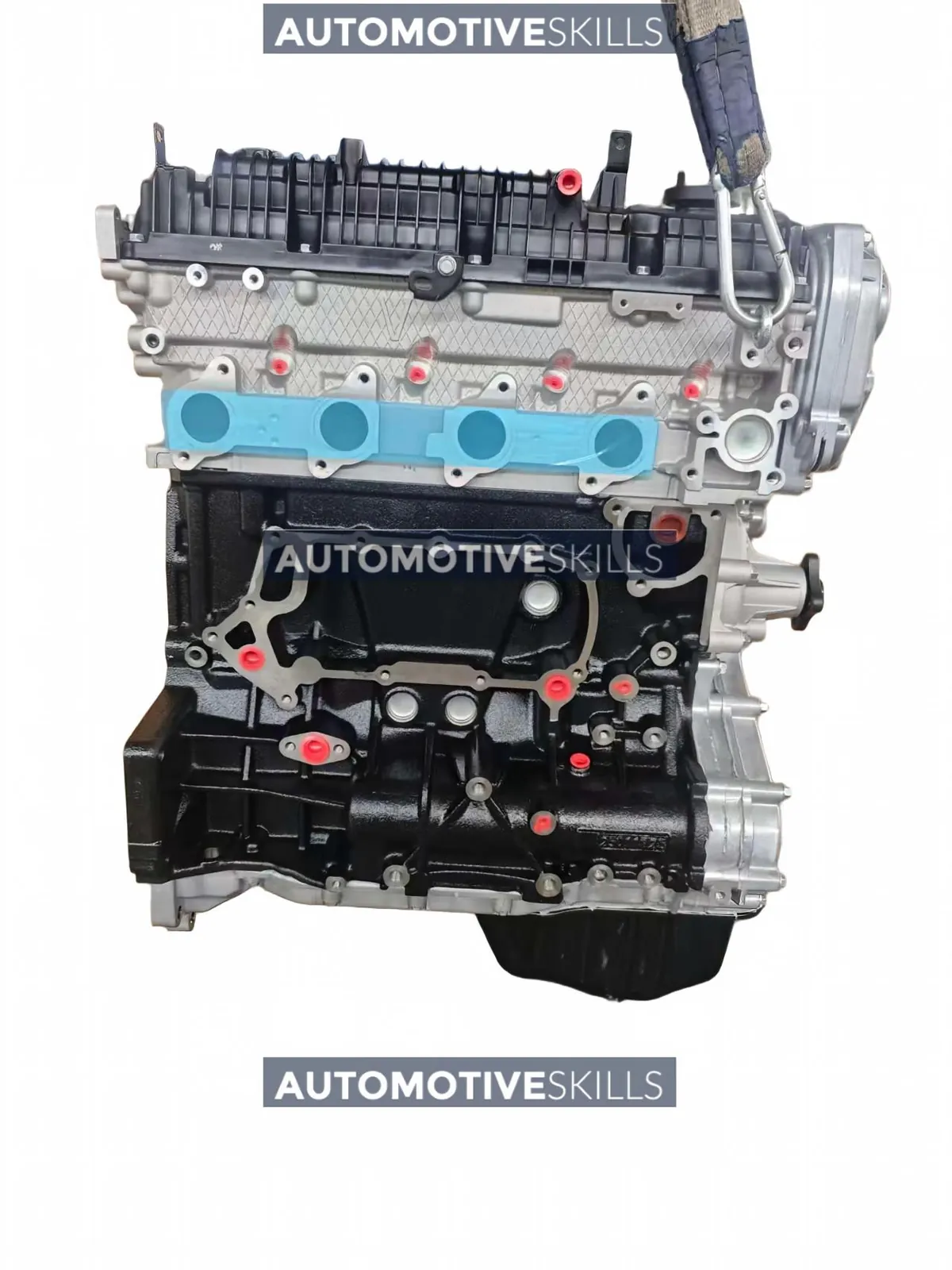
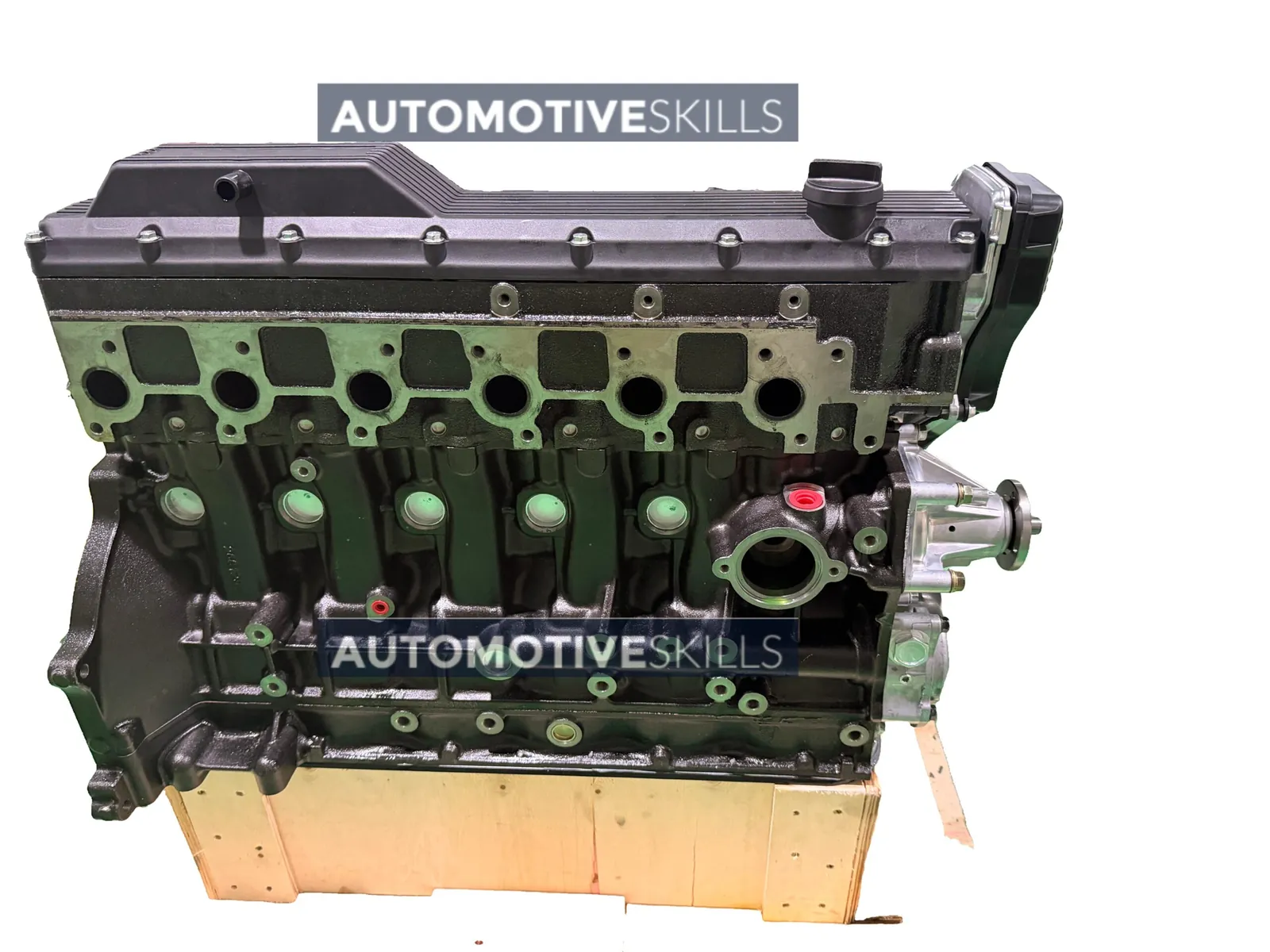
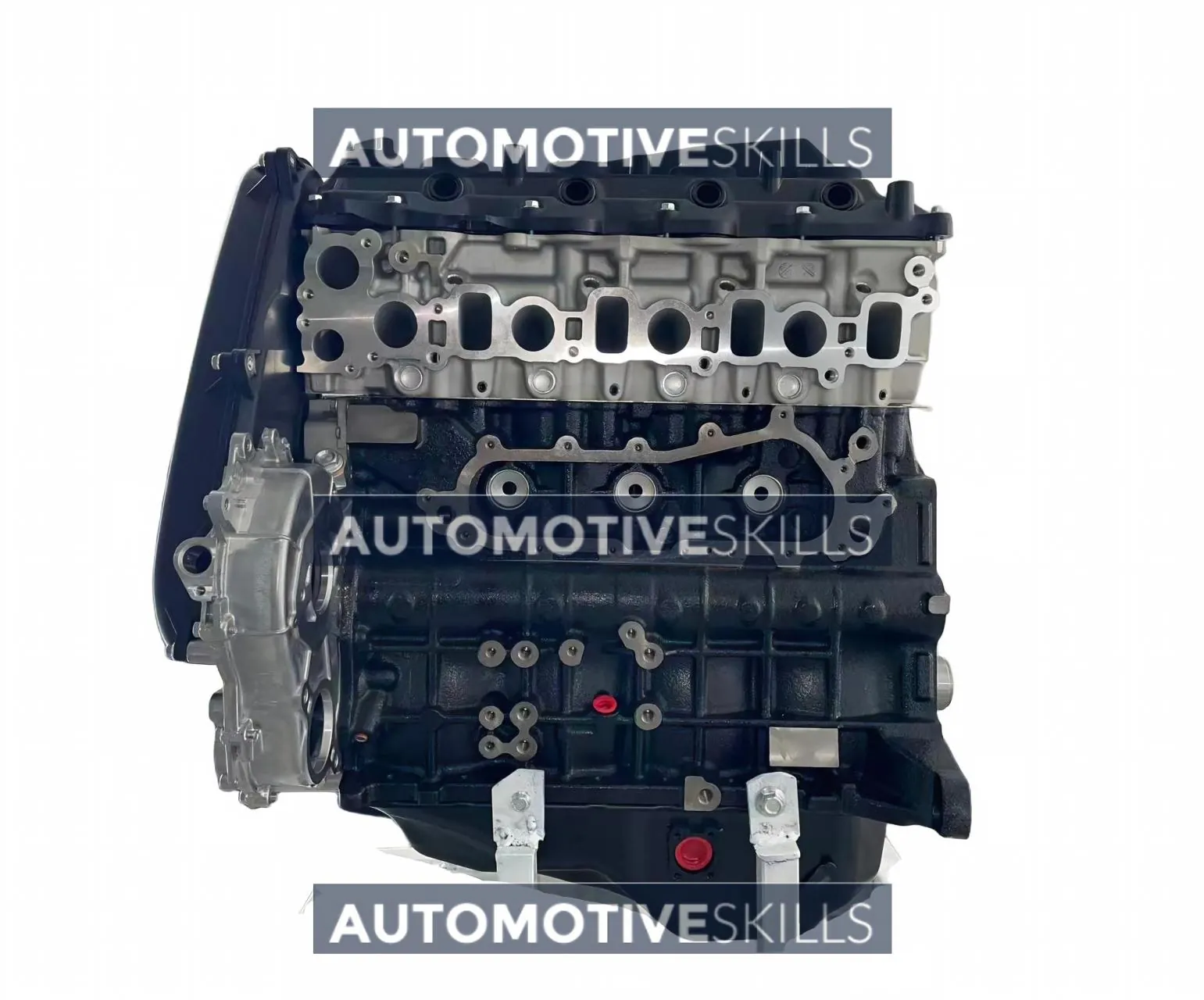
Hyundai D4CB long bare basic engine: long bare basic Was AUD 6,450, now AUD 5,650
Hyundai D4CB long bare timed engine: long bare timed Was AUD 8,500, now AUD 7,450
Read the full guide and supporting detail
Why do D4CB engines fail?
The D4CB is the 2.5 litre turbo diesel in the iLoad and iMax. These are working vans: lots of kilometres, heavy loads, short trips, long idles. The failures reported most often in the sources we checked come back to the oil.
- Sludge. Where oil changes are stretched, the oil can turn to sludge. That starves the turbo and the engine bearings.
- The turbo oil feed. The pipe that feeds oil to the turbo is narrow. Sludge can block it, and a turbo without oil fails fast.
- Soot in the intake. Soot and oil mist from the emissions systems build up as black deposits in the intake.
The turbo maker Garrett puts more than 90% of turbo failures down to oil starvation or contamination, which fits the iLoad pattern.
What are the warning signs?
- Loss of boost: the van feels flat, especially loaded or uphill.
- Smoke, blue or black.
- Oil in the intake pipes or intercooler.
- A knock from the bottom of the engine.
- The oil pressure light. Stop straight away if it comes on.
Can a failed turbo damage the engine?
Yes. When a turbo fails it can send pieces of itself, or a lot of oil, into the engine. Our warranty does not cover damage caused by an external part such as a turbo, which is why the turbo and its oil feed matter so much when a new engine goes in.
Is it a repair or a new engine?
If the turbo failed but the bearings were not starved, a new turbo, a new oil feed line and a full clean-out of the oil system may be the repair. If the engine has been knocking, or ran low on oil pressure, the bearings and crankshaft are likely damaged, and it is a rebuild or a new engine. A look at the oil and filter, and an oil analysis, help your mechanic decide.
What should be done before a new D4CB goes in?
- Fit a new turbo oil feed line rather than cleaning the old one.
- Check or replace the turbo. A turbo from a sludged engine is a risk.
- Clean the intercooler and intake of oil and soot.
- Flush or replace the oil cooler if the old oil was full of sludge or metal.
- New oil and filter, and running-in oil for the first 1,000 km.
Are there recalls to check?
A 2025 recall covers 2016 to 2018 iLoad and iMax for a cable between the fuse box and alternator whose sheath can break down. It is not an engine fault, but have a Hyundai dealer check the VIN.
What D4CB engines does Reco list?
A new D4CB long bare, basic at $5,650 and a new D4CB long bare, timed at $7,450 (listed 15 October 2026). See what an iLoad D4CB engine replacement costs and the D4CB engine page.
Ask us about your iLoad
Use the enquiry form with the van's year, rego and VIN, and what happened. Or call 02 9737 0105.