Fitting a new engine: what should be checked or replaced?
Why does the cause of the old failure matter so much?
Because the new engine goes into the same vehicle. If the old one died from overheating, a failed turbo or oil starvation, and the cause stays, the new one is at risk from day one. Common causes include cooling system faults, low oil, a turbo failing and sending debris or oil into the engine, dust getting past a leaking air intake, and a timing belt or chain letting go.
The engine warranty doesn't cover damage from overheating, from a turbo failing, or from another part that wasn't supplied with the engine. So this check protects you twice.
What should be checked on every job?
This list is for you and your installer.
Cooling system - Radiator: flow and condition, no blockage or leaks. - Hoses and clamps: replace any that are soft, cracked or swollen. - Water pump and thermostat: check, and replace if in doubt. - Fan and fan clutch, or electric fans: working. - Fresh coolant of the right type, and the system bled of air.
Oil system - Oil cooler and its lines: if metal turned up in the old oil, flush them or fit new ones. - Correct oil and a new filter. On our engines, running-in oil for the first 1,000 km. - Oil pressure confirmed on first start.
Air intake - Air filter and housing sealed, with no splits in the intake pipes. Dust past the filter wears an engine fast.
Turbo (diesels and turbo petrols) - Shaft play, oil leaks and the oil feed and return lines. A worn turbo is one of the most common ways a good engine gets damaged. - Intercooler and pipes cleaned of oil or debris from the old failure.
Fuel system - Injectors tested on a diesel, especially if one caused the old failure. - Fuel filter replaced.
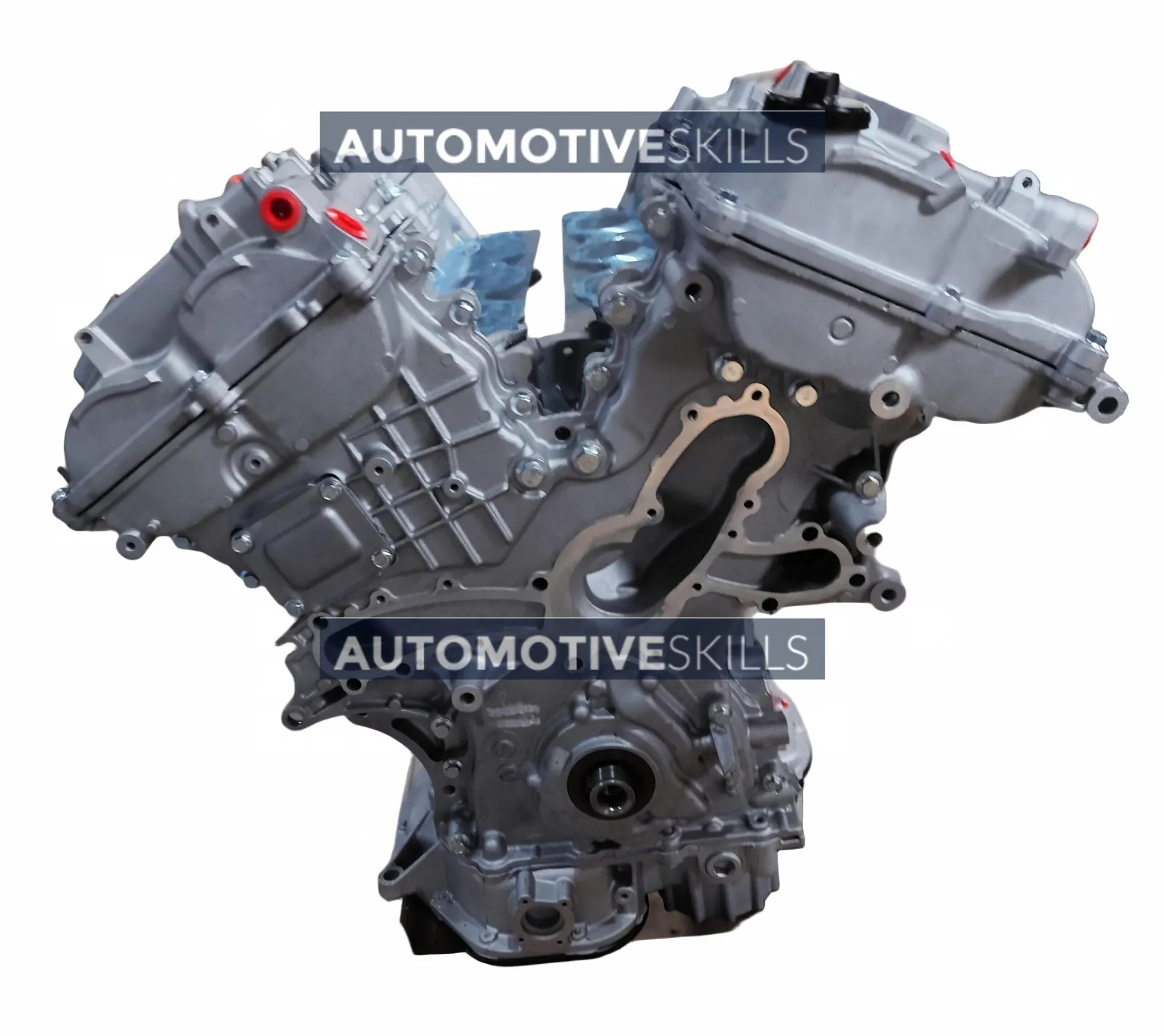
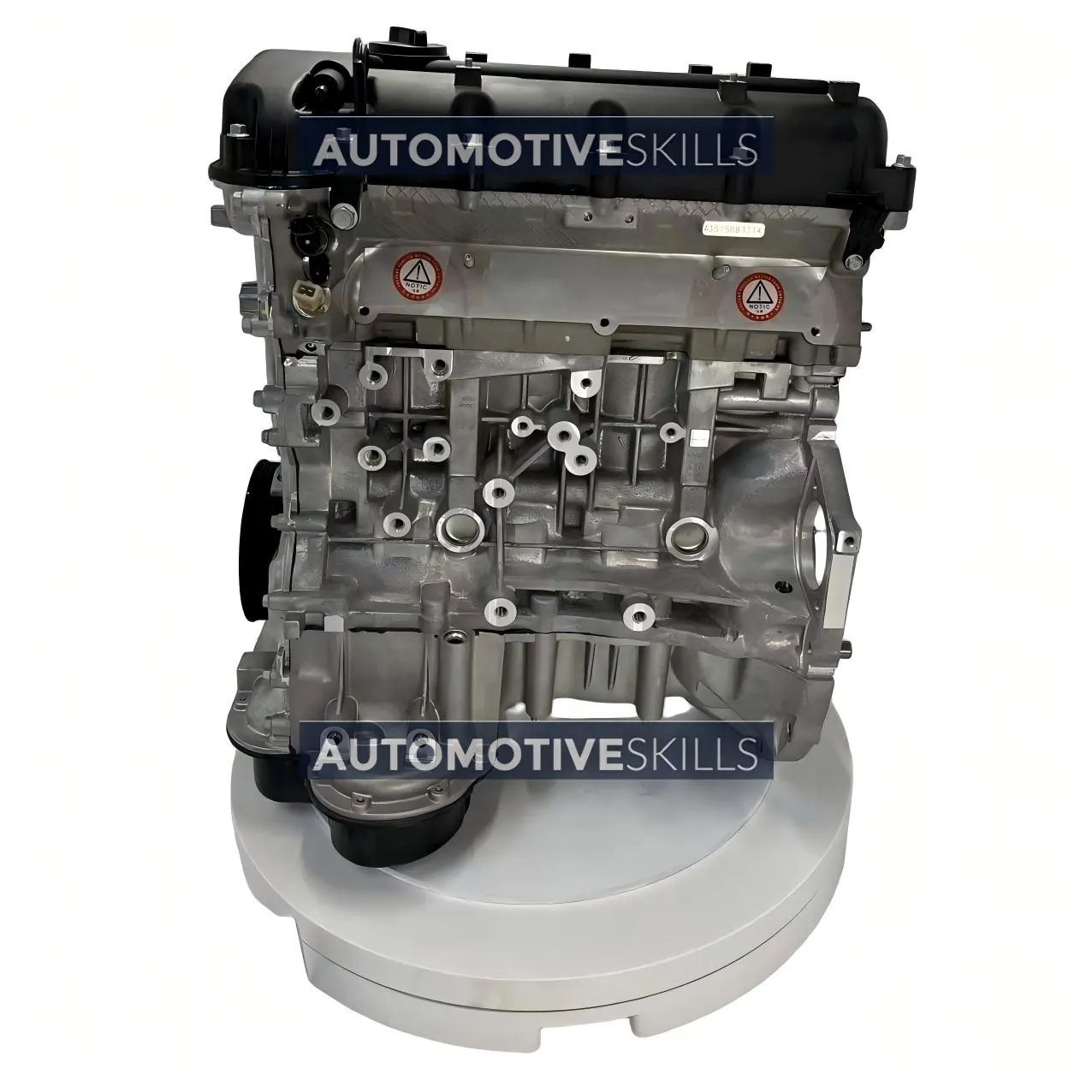
Timing - On a basic (not timed) long bare motor, a full timing kit fitted and set to the workshop procedure.
What is worth replacing while the engine is out?
Parts that are cheap compared with the labour to reach them later.
On our workshop jobs, anything we find worn when it comes off is quoted to you first. We don't fit it without your OK.
What happens after the engine is in?
- First start: check oil pressure, leaks and temperature.
- Road test.
- Running in: running-in oil for the first 1,000 km, a check-up, then services on schedule. See running in a new engine.
- Send us photos of the rego, VIN and odometer so we can register the warranty.
Why does Hank push for Reco to do the fitting?
Because we know it is done right. "When we supply an engine, we don't know what the fitter is doing, how they're doing it. Whereas if we do the fitting, we make sure it's done. It's our product." It's tow in, drive out, with our warranty on the work.
Ask us about fitting
Use the enquiry form and pick "Yes" to fitting at our Sydney or Melbourne workshop. Or call 02 9737 0105.