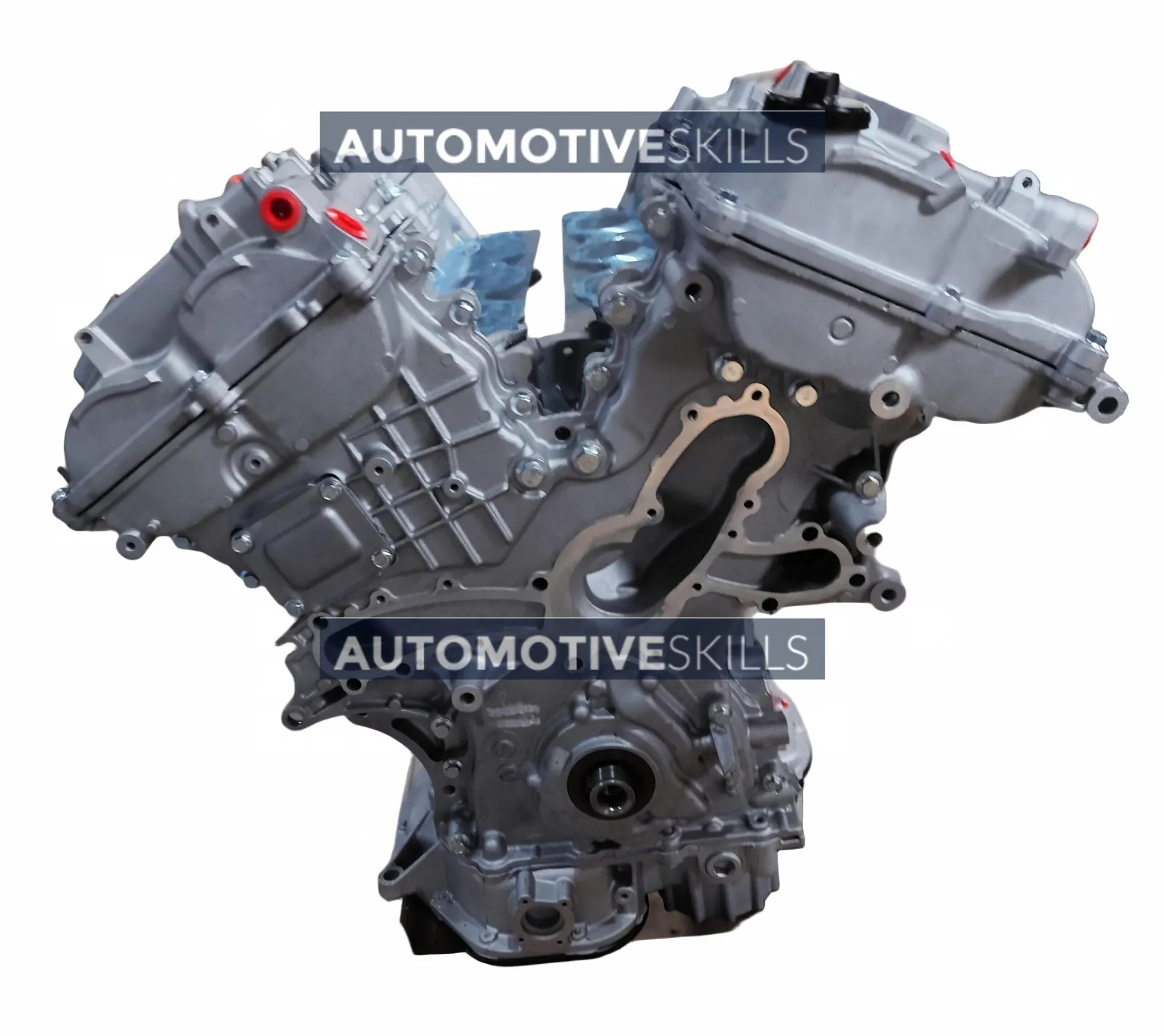
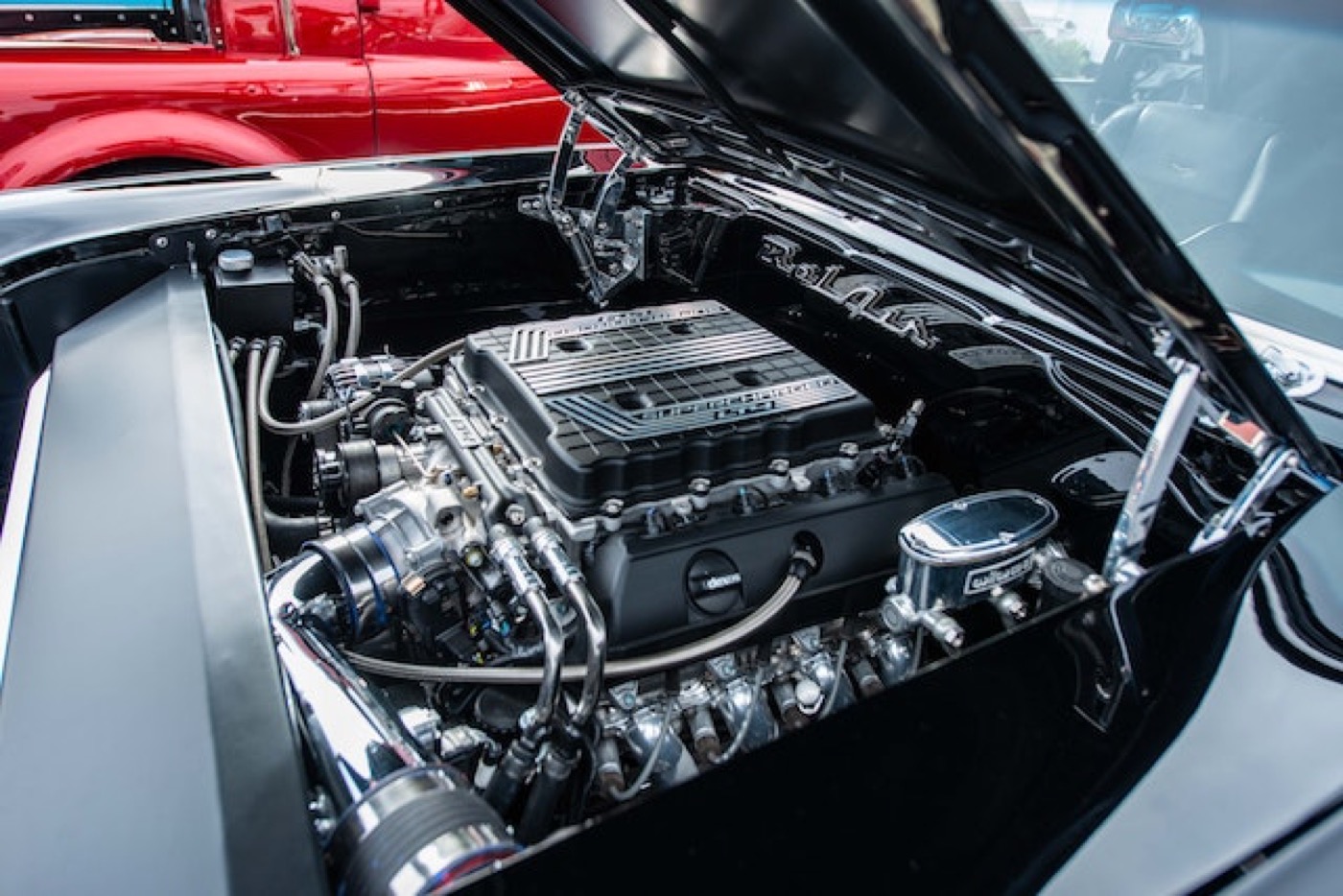
Short motor, long bare basic, long bare timed or complete engine: which do you need?
What does each name mean?
These are the terms we use, in Hank's words:
Swipe across the table to see all columns.
| Build | What is assembled | Who fits the rest |
|---|---|---|
| Short motor (short engine) | Block, crankshaft, pistons and conrods | Your mechanic fits the head, timing and everything outside |
| Long bare, basic (not timed) | Short motor plus the cylinder head bolted on | Your mechanic fits the timing kit and the bolt-on parts |
| Long bare, timed | Long bare plus the timing chain or belt kit installed, with timing and valve covers on | Your mechanic fits the bolt-on parts |
Other sellers use different words for the same things, such as "long block" or "long engine". Always check what is in the box, not only the name.
Which builds does Reco list?
Every engine on our store today is a long bare motor. Some are timed and some are not. Two codes come both ways:
- Toyota 1KD-FTV: basic $4,950, timed $7,700.
- Hyundai D4CB: basic $5,650, timed $7,450.
Prices as listed on our store on 15 October 2026. Freight is quoted separately.
When does a long bare timed make sense?
When you want the engine to arrive closer to ready. The timing work is done and checked before it leaves us, so the job at the workshop is about moving the outside parts across. It suits owners whose mechanic is busy and anyone who wants the timing set up by the people who built the engine.
When does a long bare basic make sense?
When your mechanic is happy to fit and set the timing, or wants to use a particular timing kit. You pay less for the engine, but the timing kit and the time to fit it move onto the workshop bill. Compare the two totals, not only the engine price.
Why not buy a complete engine?
A complete engine replaces parts that may still be good. On most jobs your turbo, injectors, manifolds, starter and alternator are fine to reuse once they are checked, so paying for new ones is often money you don't need to spend. Where one of them is worn, it gets replaced on its own.
The flip side: original parts are not covered by our warranty. If an old part fails, it is not the engine's fault, and it is not ours. That is why we check them during fitting.
Which one should you choose?
Ask three questions:
- Who is fitting it? If it is our Sydney or Melbourne workshop, we pick the build that suits the job. If it is your mechanic, ask what they prefer.
- What is the total? Engine price, plus timing kit if basic, plus labour, plus fluids and filters, plus freight.
- What is your old engine's outside like? If the turbo or injection system is tired, budget for it either way.
Ask us which build suits your vehicle
Send your vehicle details through the enquiry form, say who will fit it, and we recommend a build. Or call 02 9737 0105.