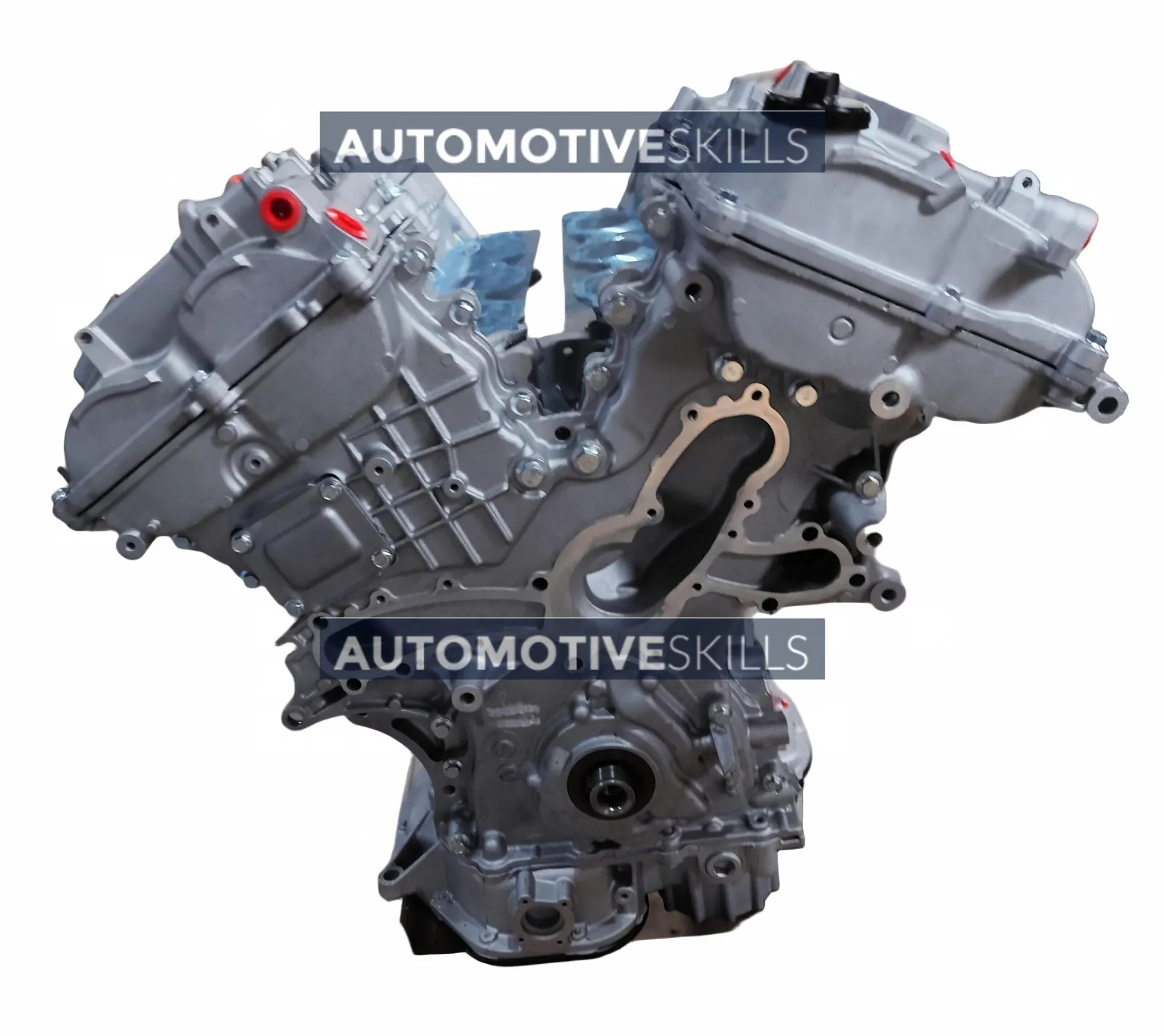
New, reconditioned or used engine: which replacement should you choose?
What is the difference between new, reconditioned, remanufactured and used?
These are the words we use, and each is true of particular engines:
- Reconditioned. Your own engine, stripped, cleaned, inspected, machined where needed and rebuilt with new parts. This is what Reco has done in the Auburn machine shop for decades.
- Used. An engine taken out of another vehicle, usually a wreck, and sold as it is.
How do the options compare?
Swipe across the table to see all columns.
| What you compare | New long motor | Reconditioned (your engine) | Used engine |
|---|---|---|---|
| Up-front price | Highest of the three, but fixed and listed | Fixed quote once stripped; teardown fee if not serviceable | Usually lowest |
| Condition | No wear | Worn parts replaced; machined parts within limits | Unknown |
| History | None | Yours, known | Usually unknown |
| Warranty | Ours, on what we supply | Ours, on the parts and work on the invoice | Varies, often short |
| Downtime | Fitting time, if in stock | Strip, inspect, machine, rebuild, then fit | Depends on finding one |
| Certainty before you commit | High | Only after teardown | Low |
When does a new engine make the most sense?
When the vehicle is worth keeping, you need it back on the road, and you want a known starting point. Buyers choose new when the old engine has a cracked block or head, when it has failed badly enough that rebuilding is not worth it, or when they don't want to wait for a teardown to find out.
When does reconditioning your own engine make sense?
When the engine is serviceable. Hank's words: we strip it down and first establish whether it is all serviceable. If it is, you get a fixed quote for the rebuild. If it is not, there is a teardown fee for the labour, because the work of stripping, cleaning and inspecting has been done.
Reconditioning also suits engines we don't have new, which is often the case with less common engines. When an engine is not in stock, rebuilding the customer's own is the first option Hank offers.
When might a used engine be the right call?
When the vehicle is near the end of its life, the budget is tight, and you accept the risk. A used engine can be a short-term fix. Ask for the kilometres, the reason it came out of the donor vehicle, and what warranty comes with it.
We don't sell used engines, so we have no stake in talking you out of one. We want you to know what you are buying.
What should you ask, whichever option you choose?
- Exactly which engine code and version is it?
- What is in the box, and what moves across from my old engine?
- What is the warranty, from when, and what voids it?
- What caused my old engine to fail, and has that been fixed?
- What is the total with fitting, fluids, freight and parts?
Question 4 matters most. Whatever killed the old engine, such as overheating, a failed turbo or a blocked oil feed, will kill the next one too if it is not fixed. See what to check when fitting a new engine.
Ask us which option suits your vehicle
Use the enquiry form with your vehicle and what happened to the engine, or call 02 9737 0105. If a rebuild makes more sense than a new engine, we'll tell you.